

Puppies and kittens need both deworming on a repeating schedule and fecal testing alongside it, starting in their first weeks of life, because each one does a job the other cannot. Each dose clears the worms present that day, while the next batch is still migrating through tissue and will mature later, which is why treatment repeats then moves to a monthly preventive. Testing is what tells you which parasites are actually present, since no single dewormer treats them all and organisms like Giardia need different medication entirely. Most infected puppies and kittens seem completely healthy while all of this is happening, and at this age a hookworm burden can cause serious blood loss before anything looks wrong.
Lebanon Animal Hospital pairs the two, setting the deworming calendar by a puppy or kitten's age and exposure risk while fecal testing confirms what we are treating, and wellness care for puppies and kittens at our AAHA-accredited hospital keeps both moving on the same timeline. These early appointments stay calm, too, with separate dog and cat lobbies and gentle handling that makes the next one easier than the last. The first weeks with a new puppy or kitten hold more decisions than anyone expects, so set up their first visit and we will map the deworming and the testing onto a schedule you do not have to hold in your head.
Deworming and Fecal Testing: The Basics
- Deworming repeats every two weeks early on because each dose only kills the worms in the gut that day, while the next wave of larvae is still maturing in tissue.
- Stool testing and deworming answer different questions: the medication clears what's there, and the sample tells us whether something like Giardia or coccidia needs a different drug entirely.
- Most infected puppies and kittens look completely healthy, so waiting for a symptom can let a hookworm burden cause serious blood loss before anyone notices.
- Monthly year-round prevention picks up where the puppy and kitten schedule ends, covering heartworm alongside the common intestinal parasites.
What Does a Deworming Schedule Look Like for a Puppy or Kitten?
Deworming every two weeks from roughly two weeks of age through eight to sixteen weeks is the backbone of current parasite prevention guidelines. Monthly prevention can begin as early as eight weeks.
| Age | What the schedule usually looks like |
| 2 to 8 weeks | Deworming every two weeks, often starting with the breeder or rescue |
| 6 to 16 weeks | Doses continue every two weeks alongside the first vaccines, with a stool check during the series |
| From 8 weeks on | Monthly preventive covering heartworm and intestinal parasites begins |
| Adulthood | Monthly preventive year-round, with stool checks at wellness visits |
Your pet's plan may look different, since our team sets the number of doses by age, what the sample shows, and where your pet spends their time. Most of these doses land at appointments that were already on the calendar, so deworming rides along with the puppy and kitten visit schedule instead of adding trips.
What Does a Stool Sample Tell Us That Deworming Can't?
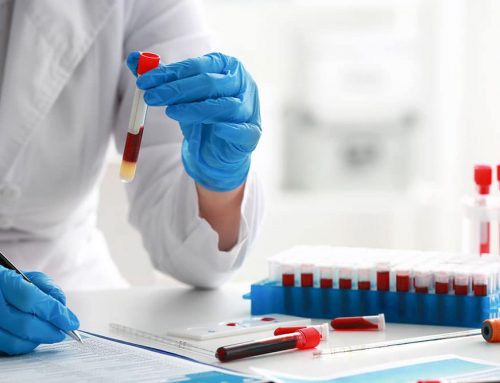
Stool testing tells us which parasites are present, so the medication can be matched to them instead of guessed at. No single drug covers every parasite, and a pet shedding only a few eggs at a time can slip past one sample, so we run testing alongside the doses rather than instead of them.
The standard test concentrates the sample so eggs float to the top where they can be identified, and Giardia often needs an added test run on the same sample, since cysts shed on and off. The result decides the medication.
A second sample is worth running in a few situations:
- A negative result in a puppy or kitten who clearly isn't right: either something was missed, or the problem isn't a parasite.
- Whipworm exposure: a dog carrying whipworms can hand you a clean sample anyway.
- Loose stool that returns after treatment: either a parasite was missed or the source is still in the yard.
- A recheck after Giardia: the only way to confirm it has cleared.
When positives keep coming back, our veterinarians look for what's feeding the cycle, whether that's a source in the yard or a parasite that needs different medication.
Which Parasites Are We Looking For in a Sample?
Six organisms account for most of what we find in young puppies and kittens: roundworms, hookworms, whipworms, and tapeworms are true worms, while coccidia and Giardia are single-celled parasites that standard dewormers don't touch at all.
Roundworms and Hookworms
Roundworms and hookworms reach many litters before weaning by crossing the placenta or passing through the mother's milk, and hookworms feed on blood heavily enough to push a two-pound puppy or kitten into life-threatening anemia. Roundworm eggs can survive in soil for years, so a yard that held an infected litter stays a source of reinfection long after that litter is gone.
Whipworms and Tapeworms
Whipworms shed eggs unevenly, so one clean stool sample doesn't rule them out in a dog who spends time on ground other dogs have used, and risk climbs with dog parks, shared yards, and outdoor kennels. They're mainly a canine concern. Tapeworms arrive by way of a flea swallowed during grooming, so the rice-like segments come back within weeks unless the fleas on the pet and in the house are treated together. Most of the flea life cycle happens off the pet, in carpet, bedding, and floor cracks.
Coccidia, Giardia, and the Cleanup That Goes With Them
Coccidia tends to cause watery diarrhea in young, stressed, or recently rehomed puppies and kittens, and it needs its own medication rather than a dewormer. Giardia has similar symptoms but isn't a worm, so the medication that clears roundworms does nothing for it. Clearing it also takes cleanup at home, because cysts come off the coat and the floor and go straight back in.
| What to do during and after treatment | Why it matters |
| Bathe your pet toward the end of treatment | Cysts cling to the coat, especially around the back end, and get groomed back in |
| Pick up stool right away, indoors and out | Cysts can infect another pet the moment they leave the body |
| Disinfect hard floors and litter boxes, then let them dry completely | Cysts don't survive on a truly dry surface |
| Wash bedding and soft toys in hot water | Fabric holds cysts longer than tile |
Why Doesn't One Dose of Dewormer Finish the Job?
Most intestinal parasites in dogs and cats move through several life stages, and a dewormer only kills the adults that happen to be in the gut on the day it's given. Larvae still migrating through tissue aren't touched, and they mature a week or two later, which is why the second and third doses matter as much as the first.
Some larvae settle into muscle and other tissue and stay dormant for months. In a pregnant or nursing female, dormant larvae can reactivate and pass straight to the litter, which is how a puppy can be born already infected and a kitten can pick up roundworms with their first meals. Reinfection is easy at this age, too: a puppy who crosses the same patch of grass twice a day and then licks their paws swallows a fresh round of eggs.
How Is the Right Dewormer Chosen and Given?
A deworming visit starts with a physical exam and an accurate weight, since dosing is calculated by the pound and a puppy's weight changes week to week. A stool sample gets checked when it's due, and then the medication is either given here or sent home with instructions, depending on the product.
Dewormers come as flavored liquids, pastes, chewables, tablets, and topicals. A liquid is easiest for a tiny kitten, and a food-motivated puppy will often take a chewable like a treat. Please don't dose from a bottle meant for an adult dog or another species, and never give a cat a product labeled for dogs.
What Should I Watch For Afterward?
Mild stomach upset for a day is common, and seeing dead worms in the stool afterward is normal and means the medication did its job. Reach out if vomiting repeats, if your pet won't keep water down, or if there's blood in the diarrhea. A very young puppy or kitten who goes quiet, weak, or pale in the gums needs to be seen right away, because that can mean a hookworm burden has already cost them blood. If any of that starts on a Sunday or after we've closed for the day, your pet should be seen at a veterinary emergency hospital rather than waiting for morning.
How Would I Know If My Puppy or Kitten Has Worms?
Most families can't tell by looking, because a puppy or kitten carrying a heavy worm burden usually looks bright, eats well, and plays hard. That's why we test and treat on a schedule instead of waiting for a symptom.
Soft stool in a dog, or in a kitten, often gets blamed on a diet change or a swiped treat, and the sample that would have shown the cause never gets collected. What's worth a call instead:
- A potbelly, or slow weight gain next to littermates
- A coat that won't shine
- Scooting, or rice-like segments near the tail
- Vomiting
Not every loose stool is worms, either. In a puppy who hasn't finished their vaccine series, diarrhea that comes with vomiting, blood, or no energy can be parvovirus, and the feline version, panleukopenia, does the same to an unvaccinated kitten. Both move quickly, so that puppy or kitten needs to be seen the same day rather than dewormed and watched.
Does My Pet Need Prevention Through the Winter?
Year-round parasite prevention replaced the old seasonal approach, because winters around Lebanon rarely stay cold long enough to interrupt a parasite's cycle, intestinal parasites spread in any season, and a gap in coverage is all a reinfection needs.
Heartworm is where a gap costs the most, since heartworm prevention costs a fraction of what treating an established infection does, and that treatment means months of injections, strict exercise restriction, and real risk to the dog. Cats can get heartworm too, and there's no approved treatment for them once adult worms are present, so prevention is the whole plan on the feline side. One monthly combination product can cover heartworm plus the common intestinal parasites, and for many pets fleas and ticks as well, so our doctors will help match the product to your pet's species, weight, and routine.
Which Routines Raise the Risk?
The pets we worry about most are the ones with the most contact with soil, other animals, and prey: a puppy in daycare or boarding or at the dog park, a kitten who slips out the door, a dog on acreage or around livestock, and a hunter who eats what they catch. In a multi-pet household, one positive stool means everyone needs attention, and an indoor-only cat in a one-pet home sits lower, though never at zero.
Regional parasite prevalence also shifts county by county, and the mild, humid stretches around Wilson County keep mosquitoes and soil-borne larvae in play most of the year. If you're not sure where your pet lands, give us a call and we'll set the stool checks and the preventive to match where your pet spends their time.
How Do I Keep My Family From Picking Up Worms?
Zoonotic parasites pass from pets to people through contaminated soil, unwashed hands, and accidental contact with feces, with young children and immunocompromised household members carrying the highest risk. Kids are closer to the ground, less careful with hand washing, and more likely to put things in their mouths.
Each parasite takes its own route in. Roundworm eggs get swallowed, usually from soil or sand, and the larvae can migrate through human tissue, including the eye. Hookworm larvae go the other direction and burrow through skin. Giardia travels on shared surfaces and water, and a tapeworm requires swallowing an infected flea, which does occasionally happen to toddlers.
A few household habits take most of that risk off the table:
- Hand washing: after handling your pet, scooping the litter box, or gardening, and always before eating.
- Same-day stool pickup: roundworm eggs need time in the environment before they can infect anyone.
- Shoes on in a yard dogs use: bare feet are how hookworm larvae reach skin.
- A cover on the sandbox: an uncovered one is a litter box to every cat in the neighborhood.
- Year-round flea control for every pet in the house: no fleas means no tapeworm route for anyone.
What Else Do Families Ask Us About Deworming?
Can I just use a dewormer from the feed store?
A dewormer from the feed store covers a narrower range of parasites than most families expect, and many of those products do nothing for whipworms, coccidia, or Giardia. Dosing is the bigger issue, since puppies and kittens are dosed by weight and some medications labeled for dogs can be dangerous to cats. Bring in a stool sample first, and the medication that follows will match what your pet has instead of what the box treats.
My puppy's stool sample was negative. Do we still deworm?
A negative sample is good news, but it doesn't mean a puppy is parasite-free. Worms need time to mature before they shed eggs a test can detect, so an animal infected before weaning can test clean while larvae are still developing in tissue. Deworming on schedule covers that window.
Do our other pets need treatment too?
The other pets in the house can pick up the same parasites, usually through shared stool, shared water bowls, or grooming each other. Most are reasonably protected if they're on a monthly preventive. When a new puppy or kitten tests positive, we'll often recommend checking or treating the others and staying on top of stool pickup while treatment runs.
Starting Your Puppy or Kitten Off on the Right Parasite Plan
A puppy or kitten's first months come with a long list of things to keep track of, and parasites are one of the few where simply staying on schedule does almost all of the work for you.
Request an appointment at our AAHA-accredited practice in Lebanon and we'll pick up the schedule wherever your pet is today, whether they came home yesterday or three months ago.